


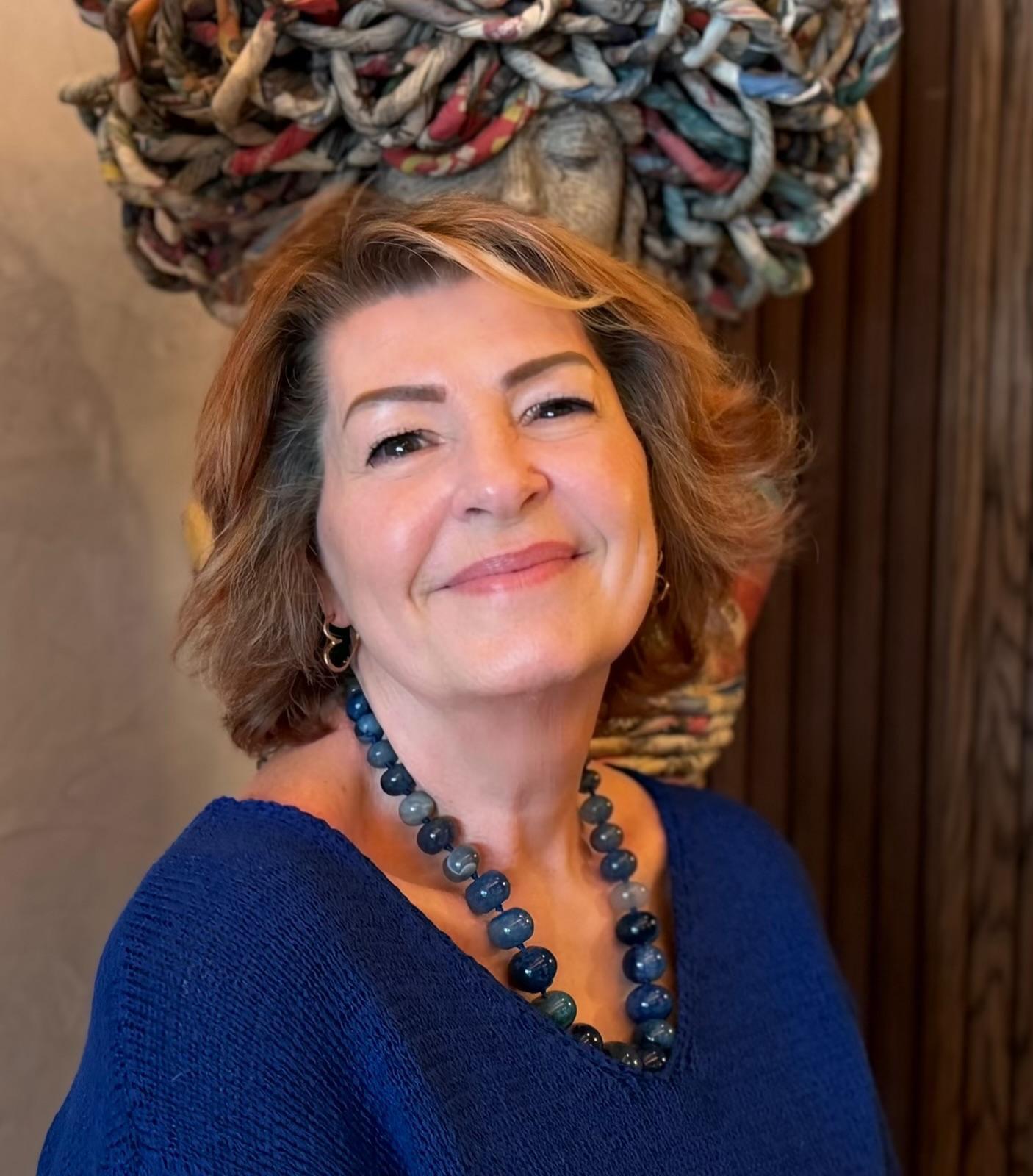

Dr. Payne’s vision: the pattern makes sense
Dr. Payne’s approach begins with a conviction she has tested across three decades of clinical work: lasting change begins beneath the surface. Trauma does not always appear as memory. More often it appears as patterns: the drink after every conflict, the medication that quiets a body that never learned to feel safe, the numbness that once protected a child and now isolates an adult. As she teaches, your responses make sense when you understand where they began. The choices that once kept you safe may now be shaping your life in limiting ways.
This is why her method treats addiction as an adaptation rather than a defect. Something in your history required a solution, and the substance was the solution that worked, until it became the problem. Treatment that only removes the substance leaves the original pain unaddressed and waiting. Dr. Payne’s model does the opposite: it traces the pattern to its roots, helps you understand the job the substance was doing, and builds new capacities to do that job without it. She blends trauma-informed neuroscience with a deep respect for the human spirit: rigorous about how trauma lives in the brain and body, and equally insistent that no client is ever reduced to a diagnosis.
Healing, in her words, begins the moment a person feels truly seen, not just assessed, labeled, or processed. That sentence is operational at ANew, not decorative. It defines how assessments are run, how groups are led, and how every therapist on our team is trained.