

Our admissions navigators are available 24/7. Call anytime (866) 640-8480

Trauma Informed Care: The Dr. Jayne Payne Method

Trauma Informed Care: The Dr. Jayne Payne Method
Most treatment asks what is wrong with you. Dr. Jayne Payne built her life's work on a different question: what happened to you, and what did you have to do to survive it? Trauma informed care is not one service on our menu. It is the clinical philosophy that runs through every group, every individual session, and every treatment plan at ANew Recovery, shaped by more than thirty years of Dr. Payne's work at the intersection of complex trauma and addiction.
Medically reviewed by Updated Jul 2, 2026
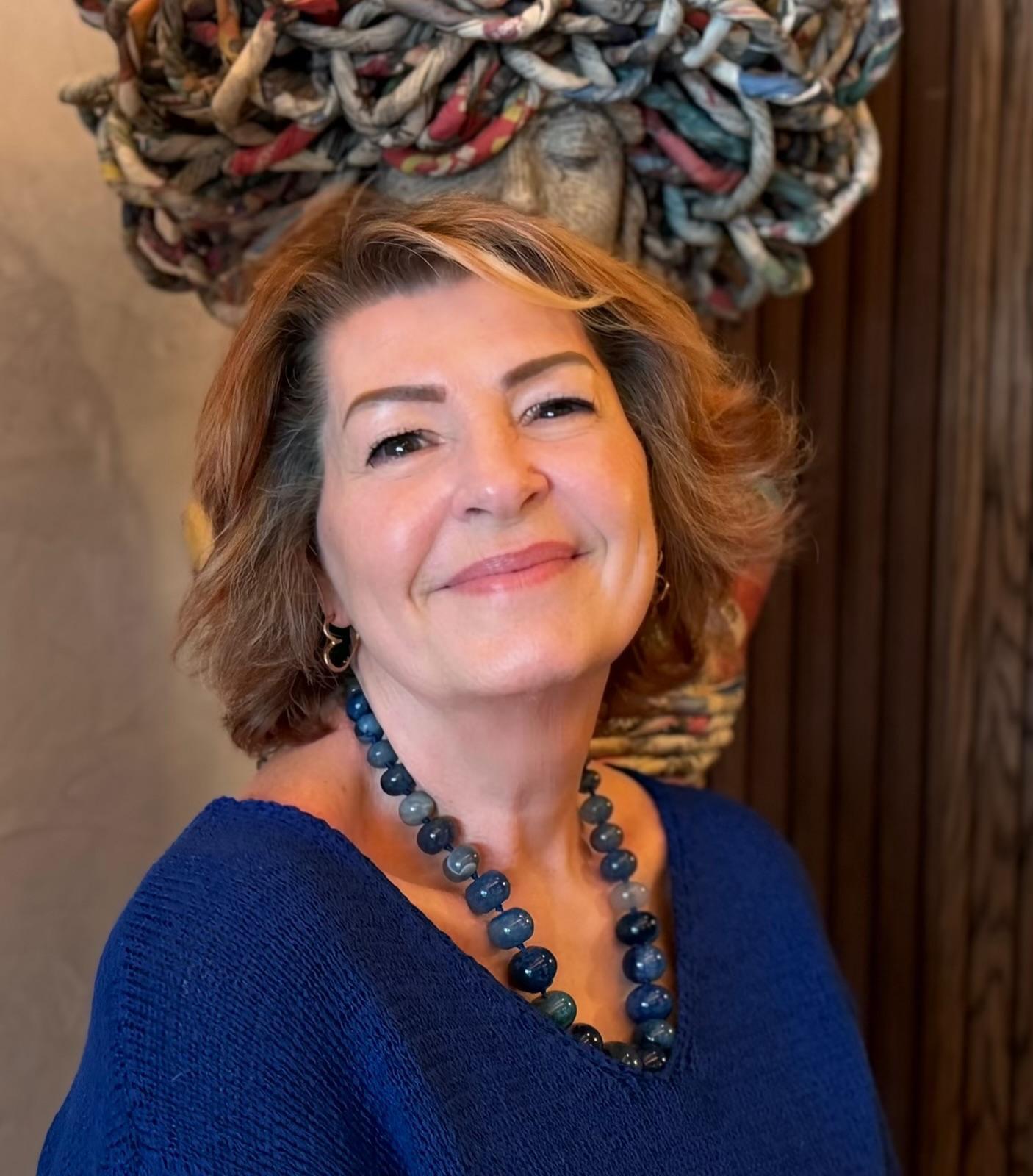
Dr. Jayne Payne Clinical Director, ANew Recovery Center

Key takeaways:

  • Adaptations, Not Defects

    In Dr. Payne's model, the behaviors that bring people to treatment are not random and not moral failures. They are survival adaptations that once worked and now cost too much.

  • Insight Creates Change

    Her method moves beyond behavior management into understanding. In her words: insight creates choice, and choice creates change.

  • Safety Before Depth

    Trauma work never starts with forced disclosure. Stability and trust come first, and the deeper work moves at your pace, by clinical design.

  • A Nationally Recognized Voice

    Dr. Payne has been featured on Larry King Live and is regarded as a leading authority on trauma informed addiction care. Her method trains our entire team.

Dr. Payne’s vision: the pattern makes sense

Dr. Payne’s approach begins with a conviction she has tested across three decades of clinical work: lasting change begins beneath the surface. Trauma does not always appear as memory. More often it appears as patterns: the drink after every conflict, the pills that quiet a body that never learned to feel safe, the numbness that once protected a child and now isolates an adult. As she teaches, your responses make sense when you understand where they began. The choices that once kept you safe may now be shaping your life in limiting ways.

This is why her method treats addiction as an adaptation rather than a defect. Something in your history required a solution, and the substance was the solution that worked, until it became the problem. Treatment that only removes the substance leaves the original pain unaddressed and waiting. Dr. Payne’s model does the opposite: it traces the pattern to its roots, helps you understand the job the substance was doing, and builds new capacities to do that job without it. She blends trauma informed neuroscience with a deep respect for the human spirit: rigorous about how trauma lives in the brain and body, and equally insistent that no client is ever reduced to a diagnosis.

Healing, in her words, begins the moment a person feels truly seen, not just assessed, labeled, or processed. That sentence is operational at ANew, not decorative. It defines how assessments are run, how groups are led, and how every therapist on our team is trained.


How the method works inside the program

Trauma informed care at ANew is not a separate track you sign up for. It is the operating system of the whole program. In practice, it means treatment moves through phases. First comes safety and stabilization: routines, skills, and a therapeutic relationship strong enough to hold harder work. DBT and CBT tools give you ways to manage what your nervous system throws at you, so the past can be approached without being reenacted.

Then comes the insight work, the center of Dr. Payne’s method. In individual sessions and structured groups, you trace your patterns back to their origins and understand them as the adaptations they were. Nothing is forced. Readiness is treated as clinical information, and pacing is part of the plan. The goal is what Dr. Payne calls moving trauma toward completion: experiences that were too much to process alone finally get processed, with support, so they stop running your behavior from underneath.

The final phase turns insight into a life. New responses get practiced in group, at home, and at work. Relapse prevention is built around your actual triggers, not a generic list. And because every ANew therapist is selected and trained under Dr. Payne’s philosophy, the method follows you through every hour of the program, from your first assessment to your aftercare plan.

Many of the problems we face today began as solutions to a problem that once worked.

Dr. Jayne Payne, Ph.D., Clinical Director

Frequently Asked Questions About Trauma Informed Care

  • Probably yes. Trauma in Dr. Payne's model is not only catastrophe. It is any experience that was too much to carry alone and left a pattern behind. Many clients discover the connection only once treatment begins.

  • No. Forced disclosure is the opposite of trauma informed care. Stability and trust come first, and the deeper work happens only when you are ready, at a pace set with your therapist.

  • Standard treatment often stops at behavior change: stop using, manage triggers. Her method goes underneath, treating the reasons the substance made sense. That is what makes change durable instead of temporary.

  • No, it directs them. CBT and DBT are tools inside the method: they build the skills and stability that make the deeper insight work possible and safe.

  • Dr. Payne leads the clinical program and shapes every treatment plan through the team she personally trains and supervises. Ask during your consultation about current clinical staffing and how her oversight works in practice.

About The Contributor

Dr. Jayne Payne Clinical Director, ANew Recovery Center

Dr. Jayne Payne is the Clinical Director of ANew Recovery Outpatient Centers. With over 30 years of experience in trauma and addiction, she leads the clinical team and shapes the philosophy of care behind every program.

Medically Reviewed on July 2, 2026.

Take the First Step

Get Help Today

Seeking help is often one of the most important and difficult decisions a person can make. Our team recognizes the strength it takes, and we are committed to providing care that is professional, respectful, and grounded in clinical excellence.

Get Help Now: (866) 640-8480

Request a Free Consultation

Request a Free Consultation

🔒 Your information is handled according to our Privacy Policy.