
Our admissions navigators are available 24/7. Call anytime (866) 640-8480

hero-bg

Admissions

What to Expect at ANew Recovery

No mystery, no surprises. Here is an honest look at what treatment actually feels like, from your first day to your last session and beyond.

Walking In Is Easier When You Know What Is Behind the Door

Most people feel nervous before their first session. That is normal. The unknown is often scarier than the work itself, which is exactly why we created this page.

At ANew Recovery, treatment does not look like what most people picture when they hear the word rehab. There are no hospital wards and no locked doors. You do not pack a bag or say goodbye to your life. You come in for structured sessions several days a week, then you go home, sleep in your own bed, and wake up for work the next morning.

What happens inside those sessions is the real story. As our Clinical Director, Dr. Jayne Payne, puts it: “Addiction has patterns, and patterns have a history.” Treatment at ANew is about understanding those patterns, not just interrupting them.

Your First Day

Your First Day Is About Getting Oriented, Not Diving Into the Deep End.

You will meet the clinical team, get a tour, and go over your personalized treatment plan, which was built from your assessment. We will walk you through your weekly schedule, introduce you to your primary therapist, and answer every question you have. You will join your first group when you are ready, and nobody will ask you to share more than you want to.

By the end of day one, most clients tell us the same thing: it was nothing like they feared, and they wish they had come sooner.

What a Typical Week Looks Like

Our Intensive Outpatient Program meets several days per week, with each session lasting about three hours. You choose the track that fits your life:

  • Day ProgramMorning Sessions

    Morning sessions for those with evening obligations or flexible daytime schedules.

  • Evening ProgramAfter Work Sessions

    After work sessions for those who need to protect their nine to five.

A week at ANew combines:

  • Group Therapy

    In small groups, where real change happens. You learn you are not alone, you practice new skills, and you hear your own story in other people's words.

  • Individual Therapy

    With your primary therapist, where you go deeper into your personal history and the patterns behind your substance use.

  • Psychoeducation

    Where you learn how addiction works in the brain and body, what triggers relapse, and how to build a life that supports recovery.

  • Family Involvement

    Because addiction affects the whole family and recovery goes further when the people who love you understand the process.

The Work We Do Together

Every therapy we use is evidence based, and every therapist is trained in the treatment philosophy Dr. Payne has refined over more than thirty years of clinical work with trauma and substance use disorders.

Cognitive Behavioral Therapy (CBT)

Helps you recognize the thought patterns that drive substance use and replace them with responses that serve you.

Dialectical Behavior Therapy (DBT)

Builds practical skills for managing intense emotions, tolerating distress, and improving relationships.

Trauma Informed Care

Runs through everything we do. Many people who struggle with substances are carrying experiences that were too much to face alone. We never force that door open, but when you are ready, we help you understand how the past shapes the present.

About The Contributor

Many of the problems we face today began as solutions to a problem that once worked.

This is where ANew is different. The behaviors that bring people to treatment are rarely random. They are adaptations, solutions that once worked and now cost too much. Treatment moves beyond behavior change into insight, because insight creates choice, and choice creates change.

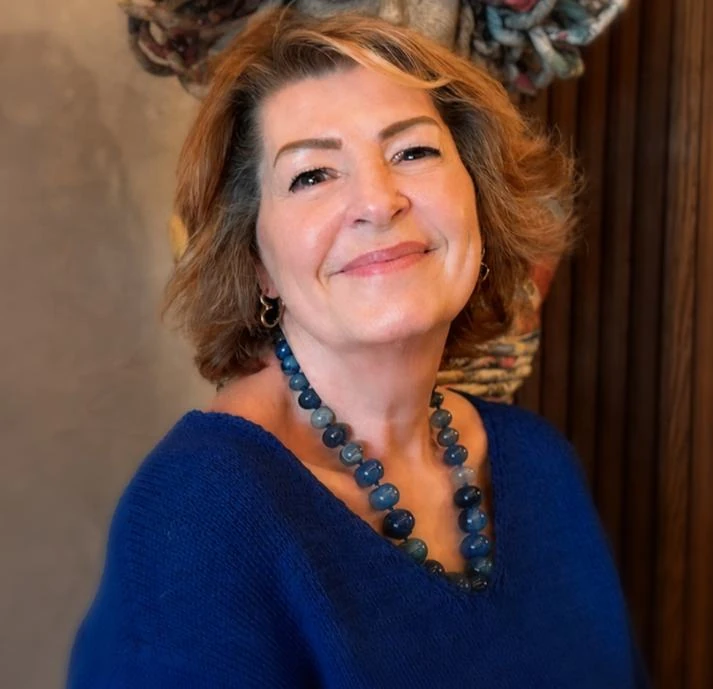
Dr. Jayne Payne, Clinical Director

How Long Does Treatment Last?

8 to 12 weeks for most clients

Most clients complete our IOP in eight to twelve weeks, though your timeline depends on your progress and your plan. Recovery is not a race, and your plan adjusts as you do. As you gain stability, session frequency steps down gradually, so the transition out of treatment feels like a natural next step rather than a cliff.

What Happens After Your Last Session

Graduating from IOP is a milestone, not a goodbye. Every client leaves with a personalized aftercare plan, and our Aftercare and Alumni program keeps you connected: ongoing groups, alumni events, and a community of people who understand exactly what you have been through. If life gets hard after treatment, you will know exactly who to call.

What to Expect: Common Questions

  • No. Your privacy is protected by federal law, including HIPAA. Many of our clients complete the entire program without anyone at work ever knowing.

  • Bring a photo ID, your insurance card, a current medication list, and any questions you want to discuss. Our admissions team will tell you if anything else is needed before your first visit.

  • No. Groups are intentionally kept small so every person receives individual attention, has room to participate, and can build trust at a comfortable pace.

  • Tell your treatment team as soon as possible. A relapse is addressed clinically, not with judgment. We will reassess your needs, adjust your plan, and help determine the safest next step.

  • Yes. With your permission, family members can participate through education, support, and the Family Program so they can better understand recovery and how to help.

Take a Closer Look

See It for Yourself

The picture becomes even clearer after one conversation. Call us and ask anything.

Free Consultation · 100% Confidential · Available 24/7